Design for Interaction Master’s
TU Delft | 2011 - 2012
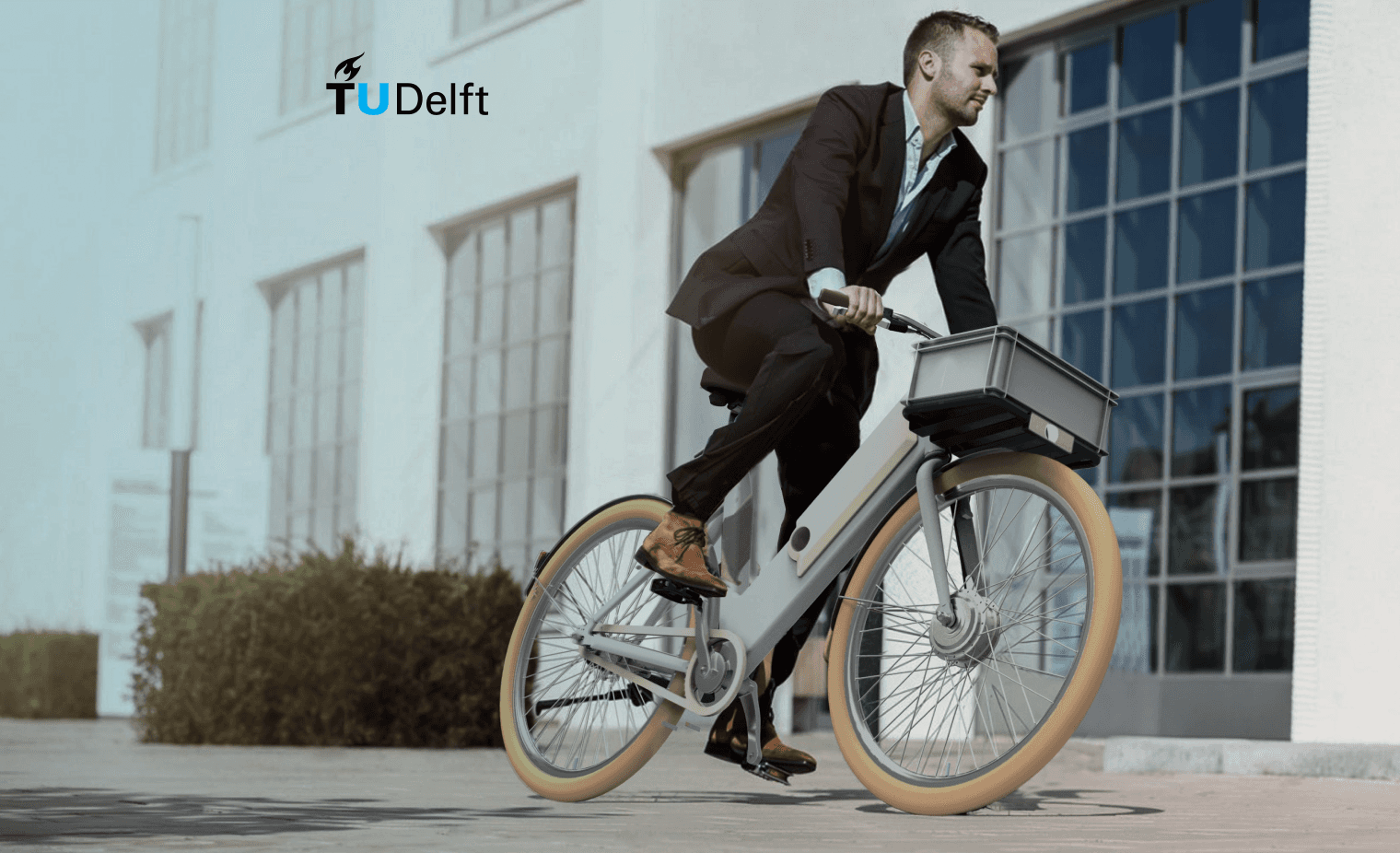
For my graduation project at the TU Delft Faculty of Industrial Design, I collaborated with Qwic to develop a new e-bike concept grounded in contextual user research. This project marked my first experience designing interfaces—a moment that sparked a passion I’ve pursued ever since.
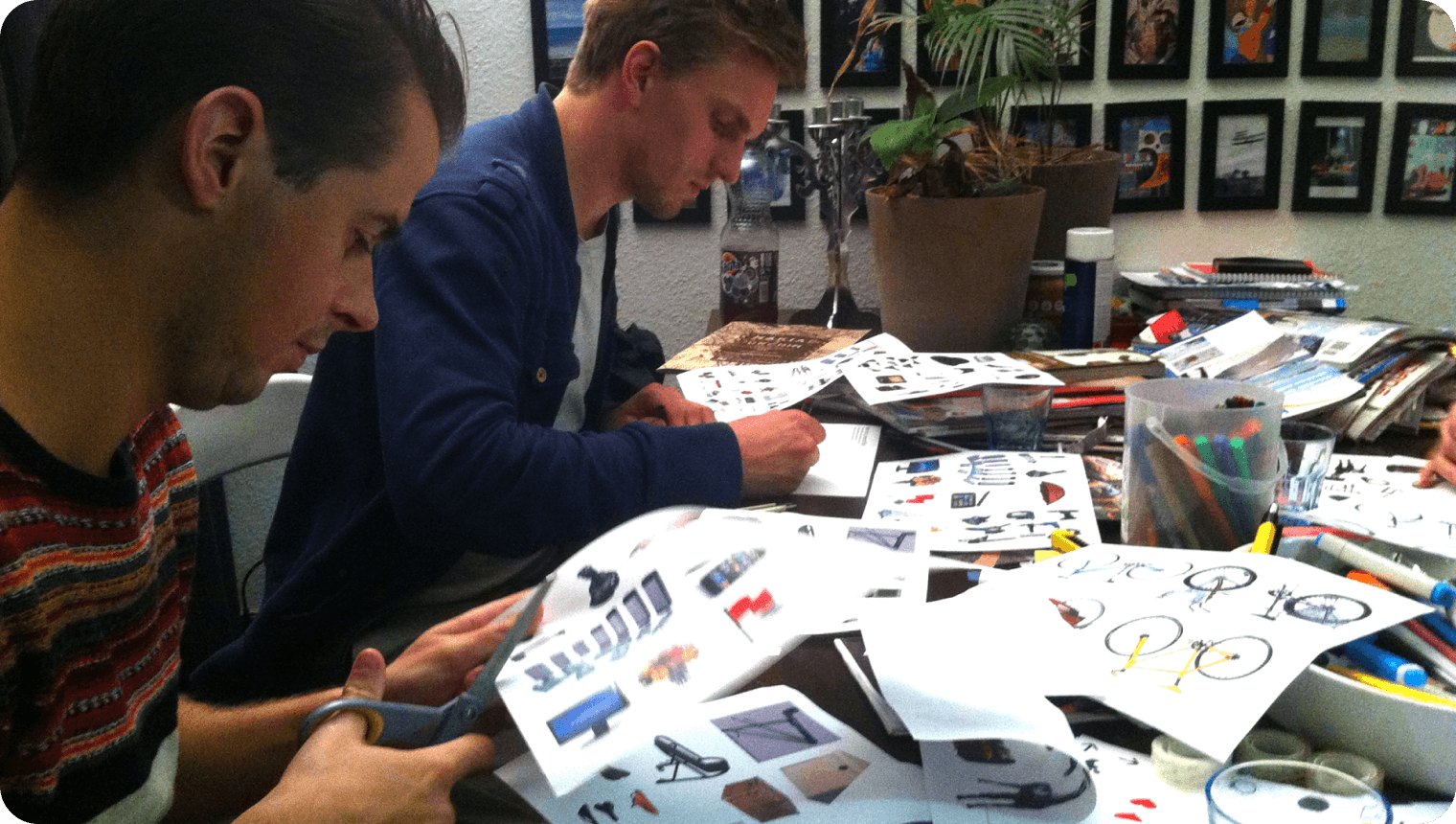
The project aimed to redefine the e-bike for urban commuters, addressing barriers like outdated perceptions of e-bikes and the complexity of city travel. Through extensive user research, I uncovered insights into the needs and lifestyles of urban professionals, shaping a design vision that emphasized simplicity, ease, and connection with urban life.
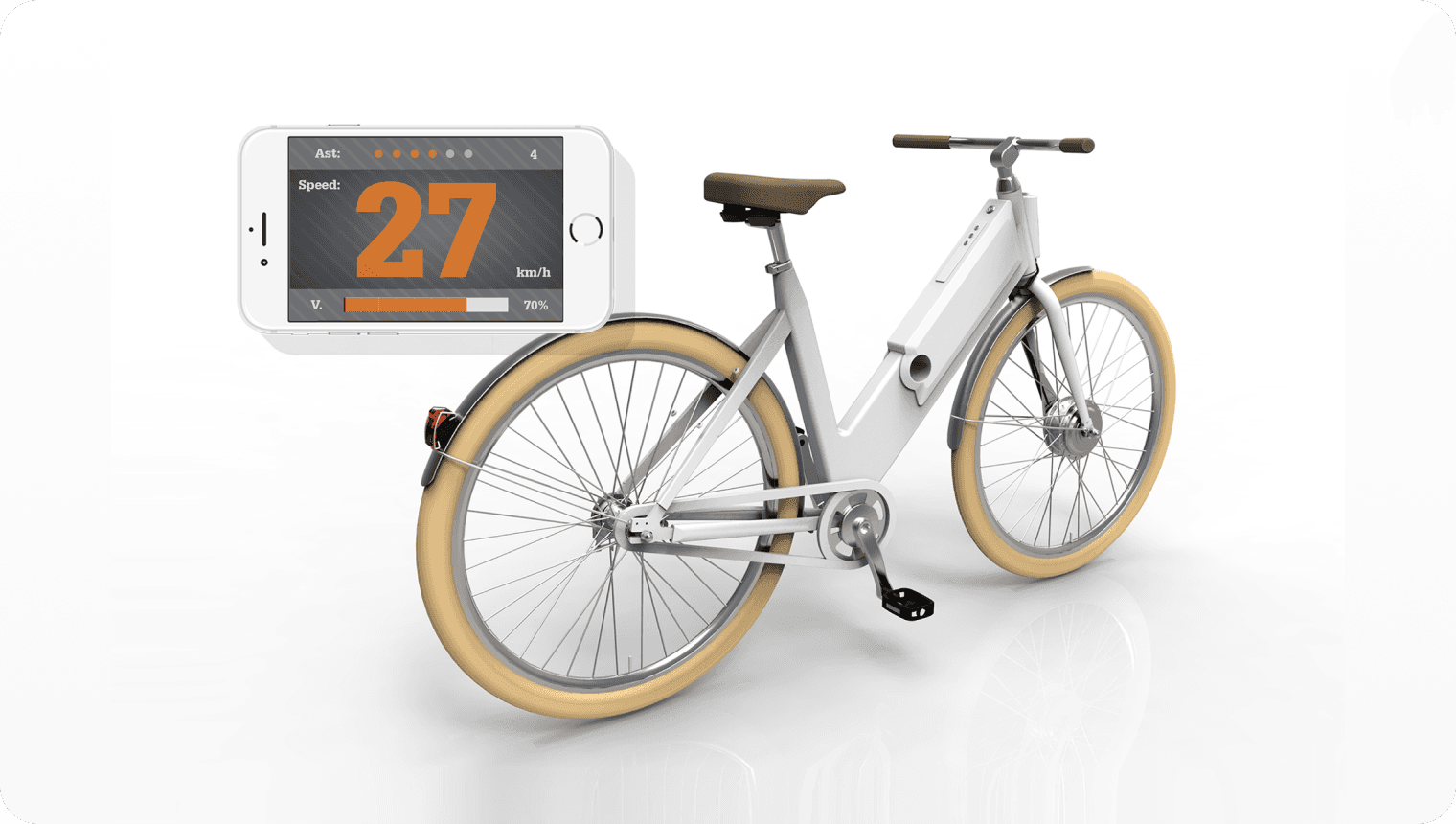
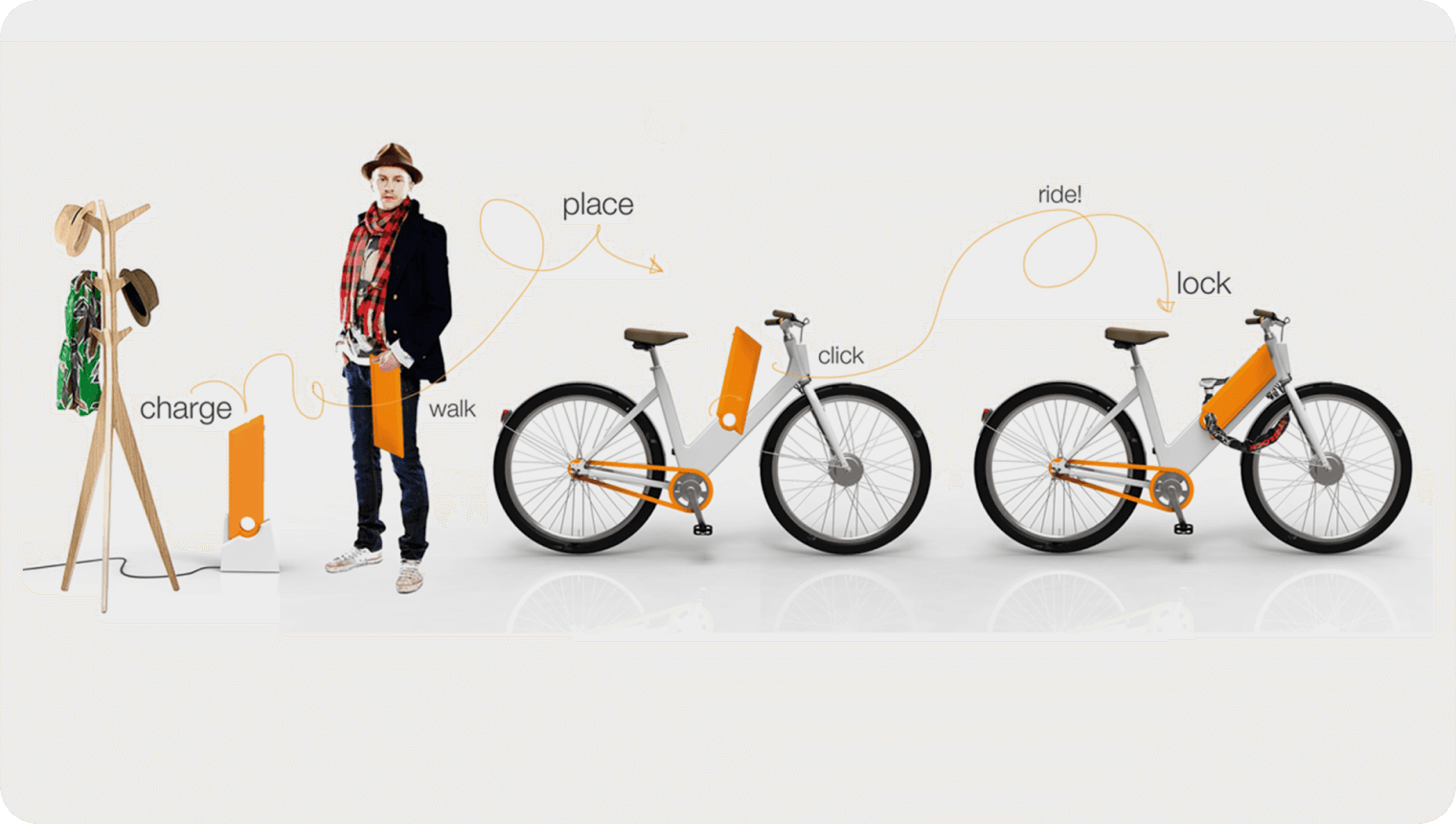
The final concept blended robust aesthetics with intuitive interactions, including a hassle-free battery system, user-friendly e-controls, and a complementary smartphone app to enhance the riding experience. This holistic approach combined the physical and digital seamlessly.
I included an more extensive executive summary below.
Qwic Urban E-Bike: Redesigning for the Modern Commuter
Qwic, a Dutch company producing electric two-wheelers, sought to innovate its e-bike offering to better appeal to urban commuters aged 25–50. The project aimed to redesign their e-bike to overcome two key challenges:
Current e-bikes are seen as traditional bicycles and perceived as overpriced.
E-bikes are primarily associated with older users, creating a stigma among younger urban professionals.
Project Approach
The project followed four phases:
Analysis
A thorough exploration of urban mobility and Qwic’s product line revealed that the company needed to shift from supplier-driven development to user-centered innovation.User Research
Extensive research into the experiences and preferences of urban professionals highlighted two main insights:E-bikes should enhance the emotional and practical experience of urban commuting.
While technologically advanced, they must remain intuitive and seamlessly fit users’ lifestyles.
Envision
Research revealed a contradictory relationship between users and current e-bikes: while empowering, they often create unnecessary hassle. This led to the design vision:
“Enable effortless movement within the city, freeing users from daily boundaries and empowering them to enjoy urban life to its fullest.”Design
The resulting Urbangility E-Bike concept focused on improving key areas:Distinctive Aesthetics: Robust and stylish design that communicates its identity as a modern e-bike.
Fluent Battery Interaction: Hassle-free charging, placement, and security.
Intuitive Controls: Ensuring an agile and effortless riding experience.
Smart Connectivity: A smartphone app promoting sporty riding and urban exploration.
Personalization: Flexible options to cater to different user groups.
Impact
The Urbangility E-Bike received positive feedback from urban professionals, particularly for its user-friendly battery system. While further refinements were suggested, the project successfully addressed the initial challenges, laying the foundation for a next-generation urban e-bike tailored to its target audience.
Other projects

Question about my work?
Design for Interaction Master’s
TU Delft | 2011 - 2012
For my graduation project at the TU Delft Faculty of Industrial Design, I collaborated with Qwic to develop a new e-bike concept grounded in contextual user research. This project marked my first experience designing interfaces—a moment that sparked a passion I’ve pursued ever since.
The project aimed to redefine the e-bike for urban commuters, addressing barriers like outdated perceptions of e-bikes and the complexity of city travel. Through extensive user research, I uncovered insights into the needs and lifestyles of urban professionals, shaping a design vision that emphasized simplicity, ease, and connection with urban life.
The final concept blended robust aesthetics with intuitive interactions, including a hassle-free battery system, user-friendly e-controls, and a complementary smartphone app to enhance the riding experience. This holistic approach combined the physical and digital seamlessly.
I included an more extensive executive summary below.
Qwic Urban E-Bike: Redesigning for the Modern Commuter
Qwic, a Dutch company producing electric two-wheelers, sought to innovate its e-bike offering to better appeal to urban commuters aged 25–50. The project aimed to redesign their e-bike to overcome two key challenges:
Current e-bikes are seen as traditional bicycles and perceived as overpriced.
E-bikes are primarily associated with older users, creating a stigma among younger urban professionals.
Project Approach
The project followed four phases:
Analysis
A thorough exploration of urban mobility and Qwic’s product line revealed that the company needed to shift from supplier-driven development to user-centered innovation.User Research
Extensive research into the experiences and preferences of urban professionals highlighted two main insights:E-bikes should enhance the emotional and practical experience of urban commuting.
While technologically advanced, they must remain intuitive and seamlessly fit users’ lifestyles.
Envision
Research revealed a contradictory relationship between users and current e-bikes: while empowering, they often create unnecessary hassle. This led to the design vision:
“Enable effortless movement within the city, freeing users from daily boundaries and empowering them to enjoy urban life to its fullest.”Design
The resulting Urbangility E-Bike concept focused on improving key areas:Distinctive Aesthetics: Robust and stylish design that communicates its identity as a modern e-bike.
Fluent Battery Interaction: Hassle-free charging, placement, and security.
Intuitive Controls: Ensuring an agile and effortless riding experience.
Smart Connectivity: A smartphone app promoting sporty riding and urban exploration.
Personalization: Flexible options to cater to different user groups.
Impact
The Urbangility E-Bike received positive feedback from urban professionals, particularly for its user-friendly battery system. While further refinements were suggested, the project successfully addressed the initial challenges, laying the foundation for a next-generation urban e-bike tailored to its target audience.
Other projects
Question about my work?
Design for Interaction Master’s
TU Delft | 2011 - 2012
For my graduation project at the TU Delft Faculty of Industrial Design, I collaborated with Qwic to develop a new e-bike concept grounded in contextual user research. This project marked my first experience designing interfaces—a moment that sparked a passion I’ve pursued ever since.
The project aimed to redefine the e-bike for urban commuters, addressing barriers like outdated perceptions of e-bikes and the complexity of city travel. Through extensive user research, I uncovered insights into the needs and lifestyles of urban professionals, shaping a design vision that emphasized simplicity, ease, and connection with urban life.
The final concept blended robust aesthetics with intuitive interactions, including a hassle-free battery system, user-friendly e-controls, and a complementary smartphone app to enhance the riding experience. This holistic approach combined the physical and digital seamlessly.
I included an more extensive executive summary below.
Qwic Urban E-Bike: Redesigning for the Modern Commuter
Qwic, a Dutch company producing electric two-wheelers, sought to innovate its e-bike offering to better appeal to urban commuters aged 25–50. The project aimed to redesign their e-bike to overcome two key challenges:
Current e-bikes are seen as traditional bicycles and perceived as overpriced.
E-bikes are primarily associated with older users, creating a stigma among younger urban professionals.
Project Approach
The project followed four phases:
Analysis
A thorough exploration of urban mobility and Qwic’s product line revealed that the company needed to shift from supplier-driven development to user-centered innovation.User Research
Extensive research into the experiences and preferences of urban professionals highlighted two main insights:E-bikes should enhance the emotional and practical experience of urban commuting.
While technologically advanced, they must remain intuitive and seamlessly fit users’ lifestyles.
Envision
Research revealed a contradictory relationship between users and current e-bikes: while empowering, they often create unnecessary hassle. This led to the design vision:
“Enable effortless movement within the city, freeing users from daily boundaries and empowering them to enjoy urban life to its fullest.”Design
The resulting Urbangility E-Bike concept focused on improving key areas:Distinctive Aesthetics: Robust and stylish design that communicates its identity as a modern e-bike.
Fluent Battery Interaction: Hassle-free charging, placement, and security.
Intuitive Controls: Ensuring an agile and effortless riding experience.
Smart Connectivity: A smartphone app promoting sporty riding and urban exploration.
Personalization: Flexible options to cater to different user groups.
Impact
The Urbangility E-Bike received positive feedback from urban professionals, particularly for its user-friendly battery system. While further refinements were suggested, the project successfully addressed the initial challenges, laying the foundation for a next-generation urban e-bike tailored to its target audience.